
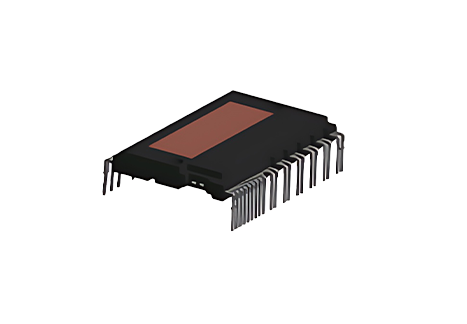
How to Monitor Inverter Performance
Introduction
Inverters are critical components in solar power systems, converting direct current (DC) from solar panels into alternating current (AC) for use in homes and businesses. Monitoring inverter performance is essential to ensure efficiency, detect faults early, and maximize energy production. This guide explores various methods to monitor inverter performance effectively.
Why Monitor Inverter Performance?
1. **Maximize Efficiency** – Inverters operate best within specific conditions. Monitoring helps maintain optimal performance.
2. **Early Fault Detection** – Identifying issues like overheating or voltage fluctuations prevents system failures.
3. **Energy Production Tracking** – Ensures the system generates expected power levels.
4. **Warranty and Maintenance** – Regular monitoring helps comply with warranty conditions and schedule timely maintenance.
Key Parameters to Monitor
1. **Input and Output Power**
- **DC Input Power** – Measures the power received from solar panels.
- **AC Output Power** – Tracks the usable power supplied to the grid or load.
- **Efficiency (%)** – Calculated as (AC Output Power / DC Input Power) × 100%.
2. **Voltage and Current Levels**
- **DC Voltage & Current** – Ensures panels operate at maximum power point (MPP).
- **AC Voltage & Current** – Verifies stable grid or off-grid operation.
3. **Temperature**
- Inverters overheat if cooling systems fail. Monitoring temperature prevents damage.
4. **Frequency (Hz)**
- Grid-tied inverters must match grid frequency (50Hz or 60Hz). Deviations indicate faults.
5. **Error Codes and Alerts**
- Modern inverters display error codes for issues like ground faults or insulation failures.
6. **Energy Yield (kWh)**
- Tracks daily, monthly, and annual energy production to assess system health.
Methods to Monitor Inverter Performance
1. **Built-In Display and Logs**
- Many inverters have LCD screens showing real-time data (power, voltage, errors).
- Some store historical logs for performance analysis.
2. **Manufacturer’s Monitoring Software**
- Companies like SolarEdge, Fronius, and SMA provide proprietary apps/software.
- Examples:
- **SolarEdge Monitoring Platform** – Tracks energy production and faults.
- **Fronius Solar.web** – Provides remote monitoring via Wi-Fi.
3. **Third-Party Monitoring Systems**
- Platforms like **Energy Monitoring Systems (EMS)** or **PVsyst** offer advanced analytics.
- Can integrate multiple inverters from different brands.
4. **Web-Based Dashboards**
- Cloud-based solutions (e.g., **Enphase Enlighten**) allow remote access via smartphones or PCs.
5. **Data Loggers and Sensors**
- External devices log performance data for offline analysis.
- Useful for older inverters without built-in monitoring.
6. **Smart Meters and Energy Management Systems (EMS)**
- Smart meters track energy flow between the inverter, grid, and consumption.
- EMS provides insights into energy usage patterns.
Best Practices for Effective Monitoring
1. **Regular Checks** – Review performance data weekly or monthly.
2. **Set Up Alerts** – Configure email/SMS notifications for faults.
3. **Compare with Expected Output** – Use solar irradiance data to verify performance.
4. **Maintain Firmware Updates** – Ensures compatibility and security.
5. **Professional Inspections** – Annual checks by technicians prevent hidden issues.
Common Issues Detected Through Monitoring
- **Low Efficiency** – Dirty panels, shading, or inverter malfunctions.
- **Overheating** – Poor ventilation or cooling fan failure.
- **Grid Disconnections** – Voltage/frequency fluctuations.
- **MPPT Issues** – Incorrect maximum power point tracking reduces yield.
Conclusion
Monitoring inverter performance is crucial for maintaining a reliable and efficient solar power system. By tracking key parameters like power output, voltage, and temperature, users can detect issues early and optimize energy production. Utilizing built-in displays, manufacturer software, or third-party tools ensures comprehensive oversight. Regular monitoring, combined with professional maintenance, maximizes the lifespan and return on investment of solar installations.
Would you like additional details on any specific monitoring method?

PRODUCT
No. 69, Modern Enterprise Center, Zhangbali Road, High tech Zone, Yanta District, Xi'an City
(+86)186-9186-8655
baishidong@advance-xa.com
Copyright

 Pусский


 Whatsapp

Comment
(0)